
Food Trends: Summer Guide for NYC & NJ Chefs
4 Food Trends New York Chefs Will Love This Summer
Summer in New York and New Jersey moves fast. Patios open, events fill the calendar, and guests start chasing new Food Trends as soon as the weather warms up.
This guide is for chefs, restaurant managers, and foodservice professionals in NYC and NJ looking to stay ahead of summer food trends. Staying on top of food trends is essential for business success, it helps you attract new guests, keep regulars engaged, and ensure your menu remains relevant in a competitive market.
If you run a restaurant, bar, café, hotel kitchen, school program, or catering team, these Food Trends can shape what people order and how often they come back.
Done well, Food Trends aren’t just buzzwords. They help you control food costs, simplify prep, and turn Seasonal Produce into dishes and drinks that actually sell.
What Are Food Trends and Why Do They Matter?
Food trends are the evolving patterns in what diners want to eat and drink, shaped by cultural shifts, health priorities, and global influences. This year’s food trends focus on wellness, global flavors, sustainability, and fun experiences.
Emerging food trends are combining global flavors with nostalgic comforts and embracing hyper-local sustainability, reflecting consumer values around health, environmental responsibility, and the desire for memorable, enjoyable dining.
By understanding and responding to these trends, foodservice professionals can better meet guest expectations and build lasting business success.
Why Summer Food Trends Matter in NYC & NJ
In 2025, diners care about more than just taste. They care where their food comes from, how it’s grown, and whether it fits their values.
The National Restaurant Association’s latest What’s Hot forecast says the biggest drivers this year are “personal and planetary well-being” and deeper exploration of Southeast Asian and other global flavors.
That means Food Trends are now tied to:
- Health and conscious eating
- Sustainability and local sourcing
- New flavor experiences and fun
Guests bring these evolving expectations with them every time they sit down to eat.
Food Trends #1: Flame-Cooked Menus with Seasonal Produce
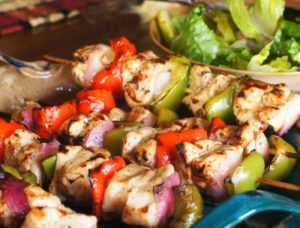
One of the biggest current food trends is cooking over open flame. Think grills, planchas, and char that you can see and smell from across the room.
For NYC and NJ operations, this is perfect for:
- Outdoor service at bars and rooftops
- Catering for summer events
- Small plates that travel well from the kitchen to the patio
You can build an entire meal around grilled fresh food:
- Charred zucchini and summer squash with herbs
- Grilled romaine with shaved cheese and a bright dressing
- Flame-kissed peaches or pineapple over yogurt or ice
Guests love the “smoke + sweet” profile, and Michelin’s own trend watch highlights flame-cooked feasts as one of the biggest food trends of 2025.
Menu ideas using Seasonal Produce:
- Grilled stone fruit with a drizzle of hot honey
- Corn ribs or grilled corn salad with chili and lime
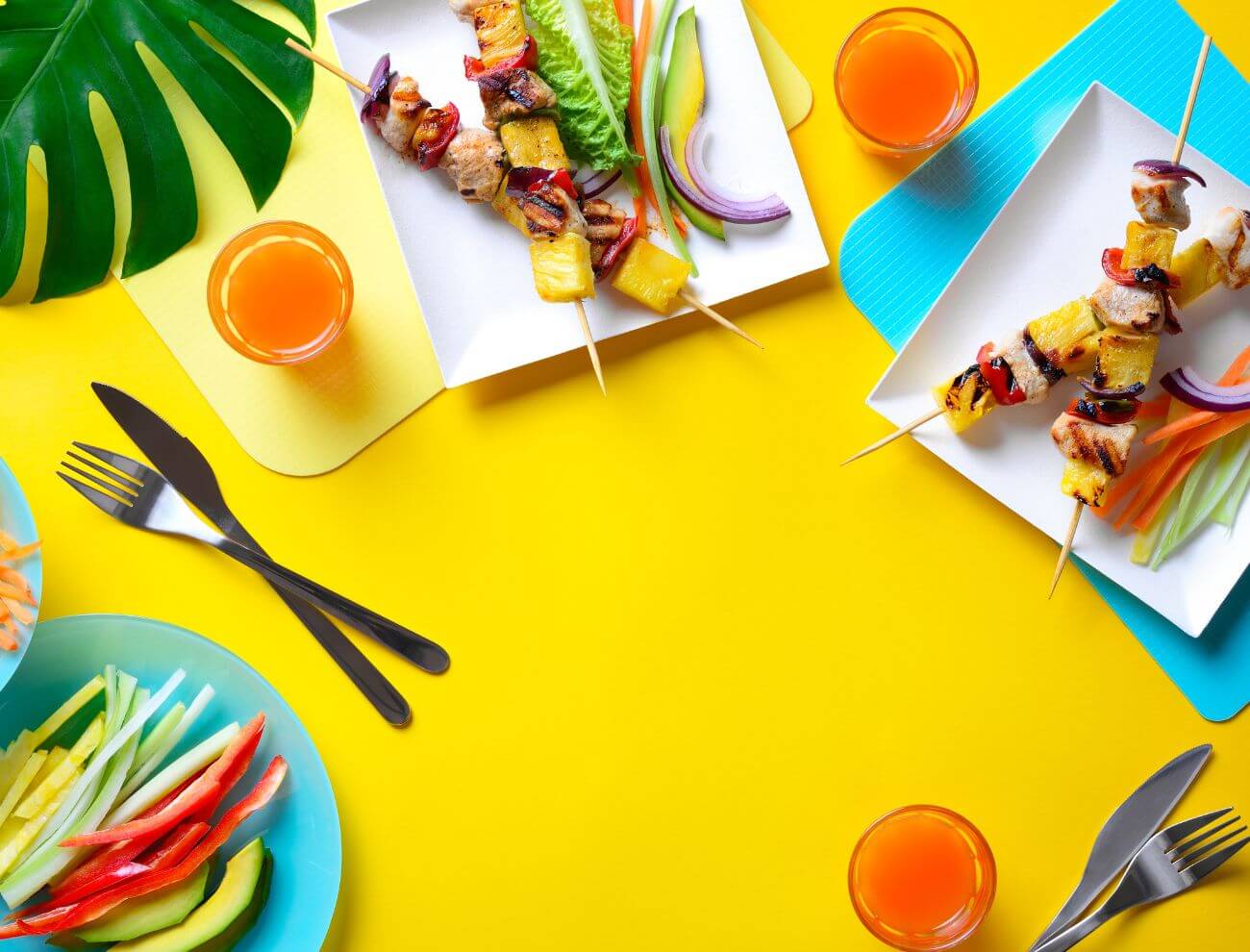
- Mixed veggie skewers topped with microgreens at the pass
Talk to your produce rep about which Seasonal Produce will hold up best on the grill for your volume and style of dining.
Food Trends Sourcing with Valley View Produce
Food Trends #2: Bold Global Flavors on Shareable Plates
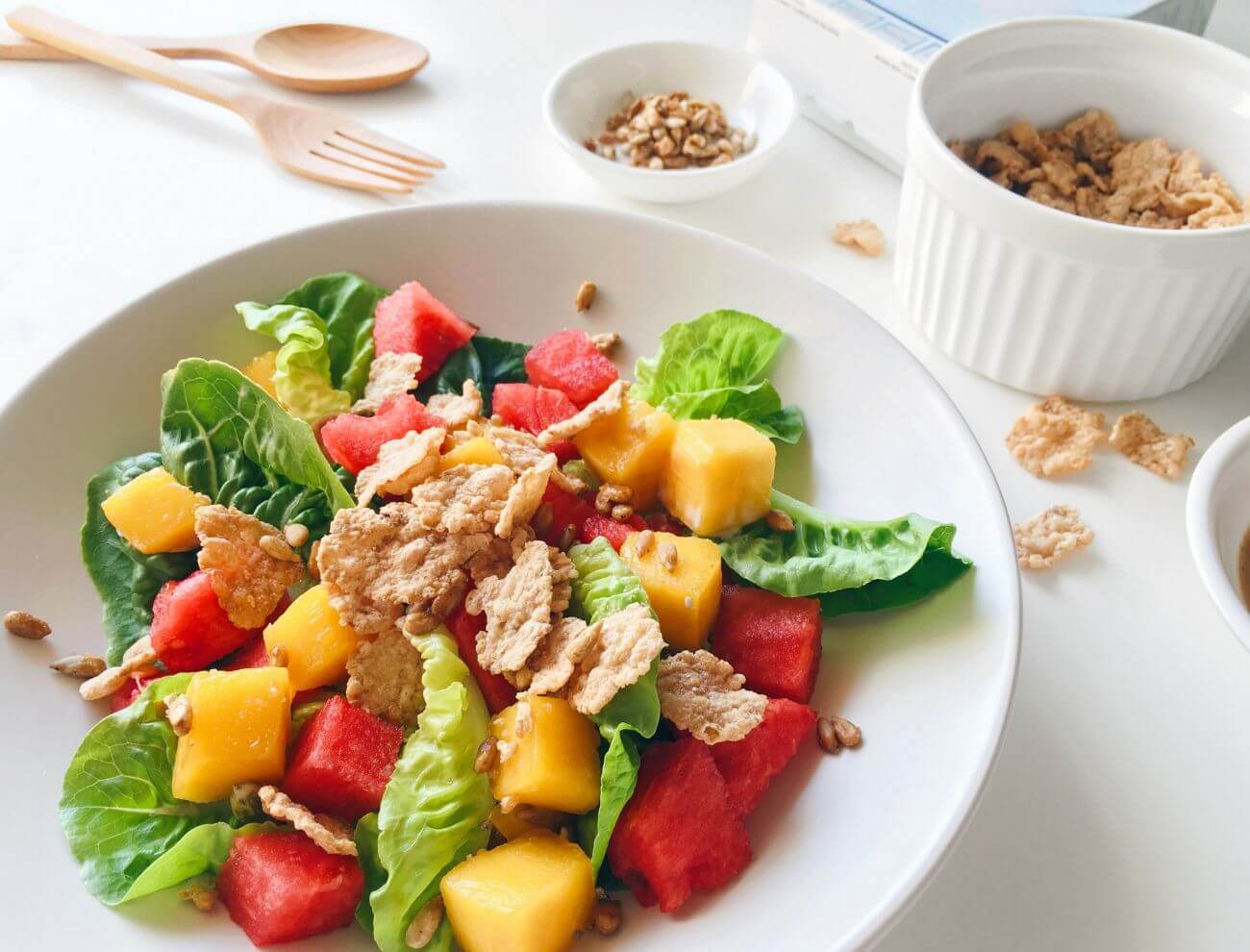
Another key part of Food Trends this year is the rise of bold, cross-cultural dishes on small plates menus. Guests want to feel like they’re tasting the world in a few bites.
Datassential’s 2025 report notes a strong growing interest in new cuisines such as Haitian, Southeast Asian, and regional Latin dishes, along with intense sauces and condiments.
This is great news for New York and New Jersey chefs, because your buyers are ready for:
- Bright sambals, pickles, and chili oils
- Sour, salty, spicy sweet combinations
- Fermented or preserved vegetables that boost flavor
You can use wholesale produce to carry those flavors, not just proteins.
Examples include:
- Cucumbers and radishes in bright, chili-forward dressings
- Charred cabbage wedges brushed with hot honey
- Carrot, bean, and herb salads that feel like a full dish
Guests sample more plates, explore more recipes, and order one extra item “just to try it,” which raises check average without heavy upselling.
Food Trends #3: Plant-Forward, Conscious Eating That Still Sells
Plant-forward eating is no longer niche. It’s a core part of Food Trends and how many consumers say they want to eat, especially in warmer months.
Toast and other industry sources report that plant-based menus are shifting toward whole foods like lentils, chickpeas, and Seasonal Produce rather than ultra-processed substitutes.
This lines up with what you see on the floor:
- Guests who still enjoy burgers but want to balance with veg
- Parents who want more fiber and less added sugar for their kids
- Diners who choose one meatless dinner a few nights a week
You don’t have to flip to a full vegan menu to meet this demand. You just need more plant-forward options that feel like real, satisfying meals.
Ideas for plant-forward meals:
- Mushroom “steaks” with chimichurri and roasted potatoes
- Grain bowls loaded with beans, greens, herbs, and citrus
- Roasted cauliflower with a nutty sauce and pickled veg
When you highlight locally sourced items and Seasonal Produce, you tell a clear story that fits both wellness and sustainability.
Food Trends #4: Drink Trends and Low-ABV Mocktails
Food Trends and drink trends now move together. Guests want beverages that match the same values as their plates.
Recent data shows the US no-alcohol market is forecast to grow around 7–18% in volume between 2024 and 2028, as more people cut back on alcohol but still want something special to sip.
For NYC and NJ operators, this opens the door to:
- Produce-driven spritzers and coolers with real fruit
- Fancy “soft drinks” built like cocktails, not soda
- Low-ABV options where citrus and herbs do most of the work
Think of:
- Citrus-berry punches for catering events
- Iced tea with peach and mint for cafés
- Zero-proof mojitos with lime, mint, and crushed fruit
By centering fresh foods, you create drinks that match your Summer Food Trends without needing a huge back bar.
How Social Media Drives Food Trends
Social media and digital platforms like TikTok and Instagram are now major forces in shaping food trends and influencing what guests expect to see on your menu.
TikTok is described as a launchpad for food and beverage trends, significantly impacting consumer choices. Many consumers, especially Gen Z, rely on social media for meal inspiration and discovering new dishes, meaning that viral recipes and trending ingredients can quickly become must-haves for your operation.
Staying aware of what’s popular online helps you anticipate demand and keep your menu relevant.
How Food Trends Shape Consumer Behavior
Guests don’t always use the words “Food Trends,” but their choices show you where they’re going.
Research finds that many consumers now discover trends first through grocery products and prepared foods, and only then expect to see them on menus.
This means your diners may walk in already expecting:
- Global flavors they saw online
- Fresh food that feels minimally processed
- Simple, clear descriptions that make sense at a glance
When you respond, you’re not chasing fads. You’re matching your menu to real consumer behavior and demand in your neighborhood.
If you ignore Food Trends completely, guests may feel your concept is standing still while the rest of the world moves on.
How Food Trends Affect Food Costs & Operations
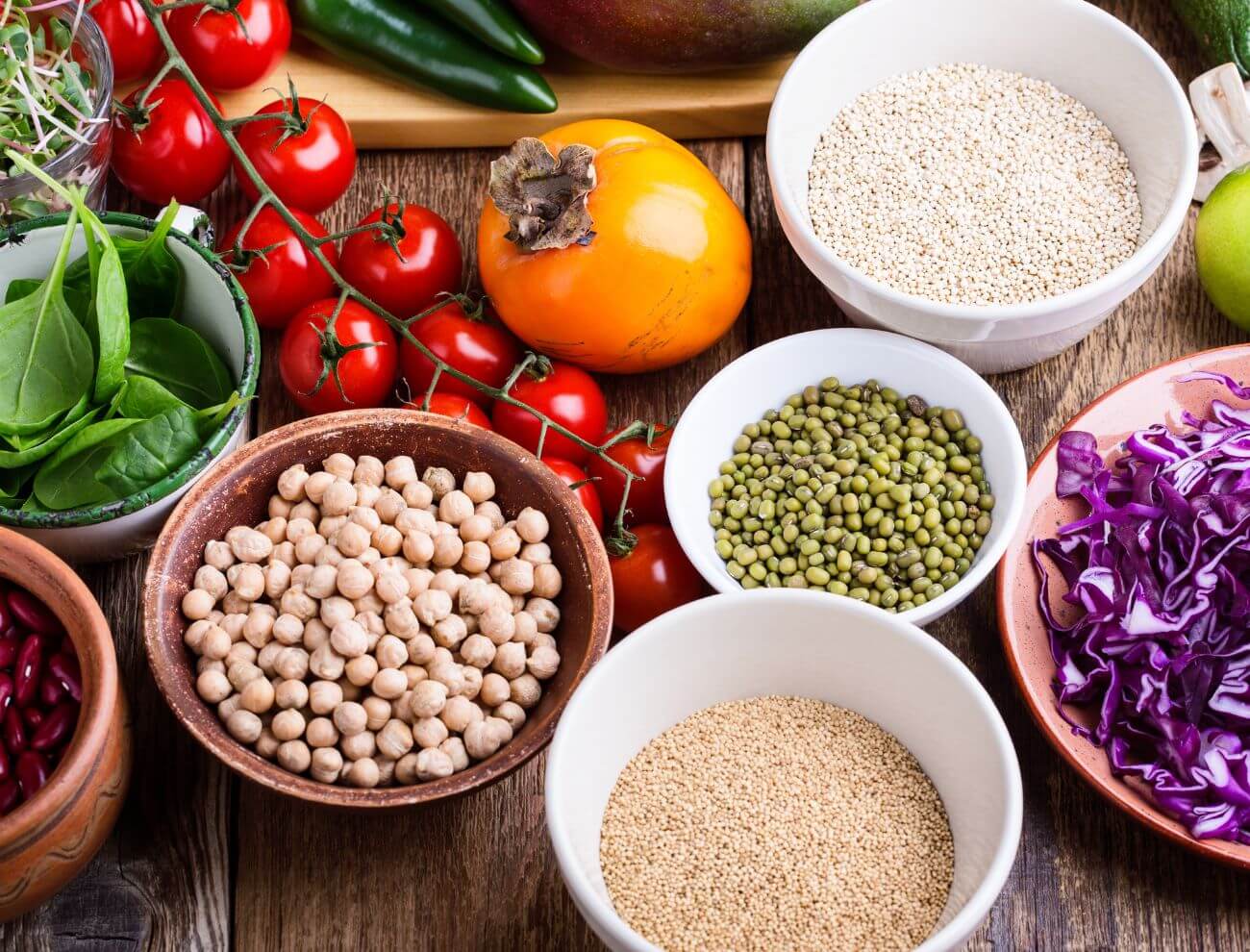
Every trend has an operational side. Food Trends that look great on Instagram still have to work on your line.
The right approach can actually help with food costs:
- Seasonal Produce is often better priced and better tasting.
- Cross-using the same fruits and vegetables in multiple meals cuts waste.
- Plant-forward dishes can balance the cost of premium proteins.
You can also design Food Trends to match your service style:
- Pre-marinated veggies for grills in quick service restaurants
- Batchable bases for busy cocktail bars and cafés
- Simple garnishes like microgreens that work on both plates and drinks
When you tie trends back to smart purchasing and prep, they support your bottom line instead of fighting it.
Turning Food Trends into Profitable Menus
To make Food Trends work for you, think in simple, practical steps.
- Choose 1–2 focus trends for summer.
Maybe it’s flame-cooked vegetables and low-ABV spritzes. - Pick anchor ingredients.
Build around 5–7 key fruits and veggies from your wholesale produce list. - Create a few high-impact items.
One signature salad, one shareable starter, one hero drink is enough. - Train your team.
Show them how to describe the flavor and story behind each dish and drink. - Track what guests actually order.
Cut or tweak what doesn’t move; double down on what does.
Food Trends are most powerful when they feel like a natural extension of your concept, not a random add-on.
Why Wholesale Produce Matters More Than Ever
Under all these Food Trends, you still need the basics: reliable, high-quality wholesale produce supply that shows up when you need it.
For NYC and NJ operators, that means solving for:
- Tight storage and delivery windows
- Heavy summer traffic and event spikes
- Different needs across restaurant, bar, and catering programs
A strong partner for wholesale fruits and vegetables nyc can help you:
- Plan Seasonal Produce by month for the whole summer
- Swap items quickly when the market shifts
- Support both signature dishes and simple drinks
This is how you turn ideas on a screen into real plates and glasses on a busy Saturday night.
Quick Checklist: Putting Summer Food Trends to Work
Use this quick list as you plan:
- ✅ Have I picked 1–2 Food Trends to focus on, not 10?
- ✅ Do my ideas use Seasonal Produce I can source reliably?
- ✅ Can my team execute each dish in under a few minutes?
- ✅ Do I have at least one plant-forward option on every daypart?
- ✅ Is there at least one non-alcoholic drink built on real fruit?
- ✅ Am I cross-using ingredients across food and beverages?
- ✅ Have I talked with my supplier about summer volume and backups?
If you can say “yes” to most of these, you’re already ahead of other food trends chasers in your area.
Stay Ahead of Food Trends with Seasonal Produce
Food Trends don’t exist in a vacuum. They show you how people eat, what they care about, and what they’ll pay extra for.
In New York and New Jersey, the winners will be the kitchens that:
- Use Seasonal Produce and locally sourced items where it counts
- Turn global inspiration into simple, repeatable recipes
- Build drink lists that match the way diners now approach alcohol
- Work with wholesale produce supply partners who understand the city
If you manage a restaurant, bar, café, hotel, school kitchen, or catering operation in NYC or NJ, now is the time to lock in your summer plan. Connect with your produce rep and use these Food Trends as your roadmap, so every plate, every drink, and every ordered food item moves you closer to happier guests and stronger margins.