

How Supply Chain Shocks at the Texas Border Impact NYC Wholesale Produce
When a truck is stuck at the border, you feel it in your walk-in.
Empty shelves, shorted cases, last-minute menu changes, all of that starts with one thing: your supply chain.
For NYC restaurants, hotels, bars, coffee shops, caterers, and ghost kitchens, understanding how supply chain disruptions happen (and how to protect yourself) is now part of doing business. One powerful example is the Texas border blockade that stalled fresh produce coming in from Mexico.
In this article, you’ll see what happened in Texas, how similar disruptions ripple all the way to New York, and what you can do to build a more resilient, efficient wholesale produce supply chain.
NYC Produce Supply Chain News: A Look Back at the Texas Border Blockade
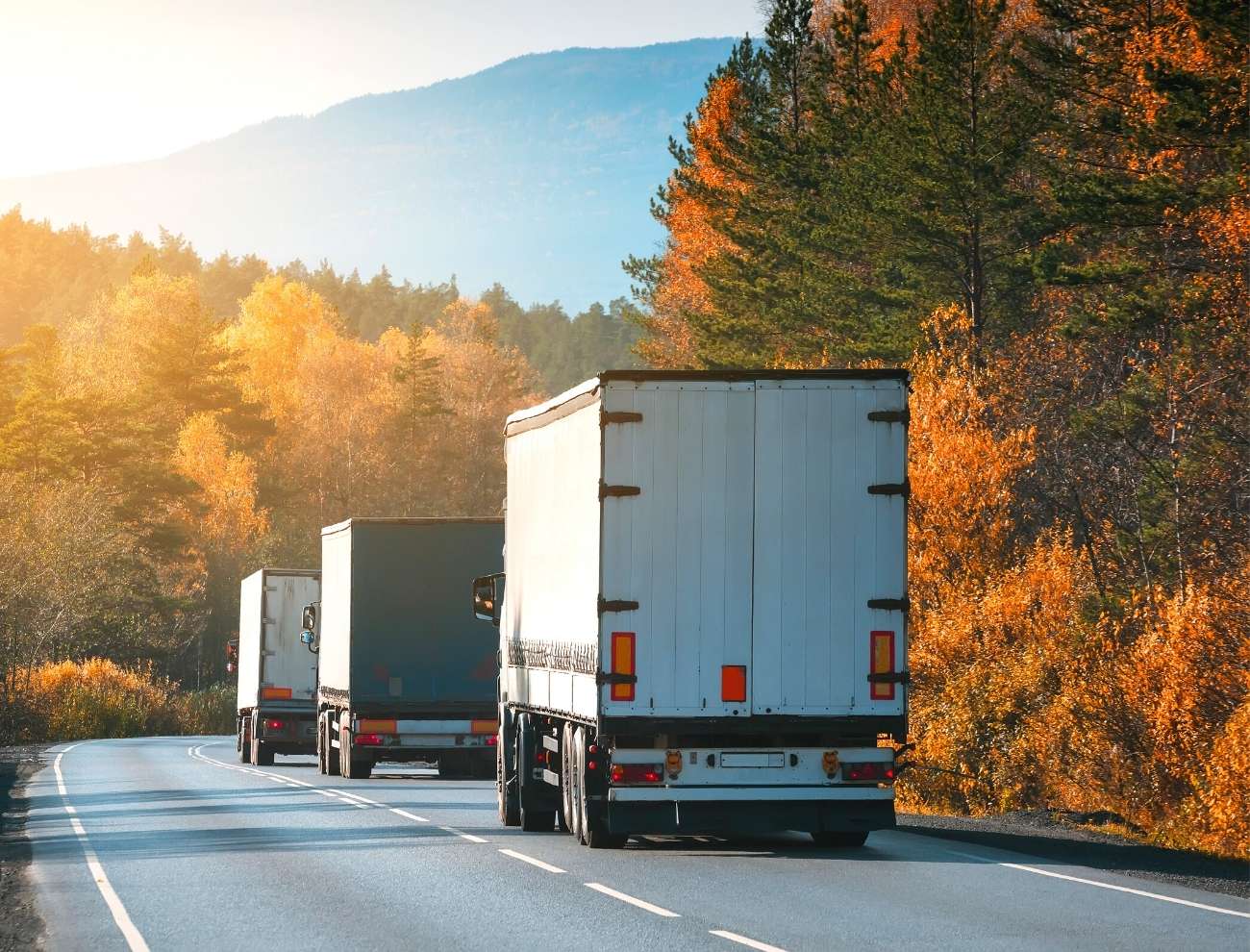
In 2022, a new border security policy in Texas added extra state inspections for commercial trucks crossing from Mexico. That meant trucks carrying fresh fruits and vegetables were forced to wait in line for hours before being allowed to proceed.
Trade groups and industry experts warned that these inspections created serious supply chain disruptions, with:
- Heavy slowdowns at key ports of entry
- Long waiting times for commercial trucks
- Spoilage and lost loads of perishable produce
According to industry estimates, hundreds of millions of dollars in fruits and vegetables were delayed or lost, and buyers around the country were told to expect higher prices as the market tried to recover.
Even though the policy was eventually rolled back and traffic normalized, the event showed just how quickly a regional decision can shake the entire supply chain for fresh produce.
Why Border Disruptions Matter to Your NYC Kitchen
You’re not buying produce in Texas, but you are buying from a system that leans heavily on Texas infrastructure.
Texas ports of entry handle a huge share of fresh produce imports from Mexico, including high-volume items like avocados, tomatoes, peppers, and berries. One major bridge alone handles the majority of U.S. produce imports from Mexico.
When that flow slows down, the impact can reach New York quickly:
- Higher costs as supply tightens and demand stays strong
- Longer lead times and unpredictable arrival times
- Quality issues as delicate items spend more time in transit
- Menu instability when key ingredients can’t be sourced on time
For your business, that means more pressure on your operations, tighter margins, and more stress for your team.
If you haven’t already, ask your produce rep how they handled the Texas border disruption, their answer will tell you a lot about their supply chain resilience.
What a Produce Supply Chain Really Includes (From Farm to NYC Service)
Your supply chain is more than just “farm to table.” For fresh, perishable items, it’s an entire value chain that has to work smoothly:
- Sourcing raw materials
- Seeds, inputs, and raw materials for farming
- Farming operations that convert raw materials into crops
2. Production and packing
- Harvesting and packing at grower facilities
- Cold chain management, quality control, and food safety
3. Logistics management & distribution centers
- Cross-border transport, ports of entry, and inspections
- Warehouses, distribution centers, and local terminals
4. Final delivery to your door
- Local routing, scheduling, and last-mile delivery
- Hand-off into your coolers, prep areas, and line
Behind the scenes, supply chain management and operations management bring together business logistics, demand planning, inventory, and transportation. Done well, effective supply chain management helps you:
- Meet customer demand consistently
- Reduce waste and spoilage
- Control costs and protect your margins
- Improve customer satisfaction with reliable, fresh product
The Texas Border Blockade as a Supply Chain Case Study
The Texas border inspections are a textbook example of how one weak point can disrupt various aspects of the supply chain at once:
- Business processes and logistics slowed down
- Trucks waited in line for hours, unable to cross
- Perishable loads lost freshness and, in many cases, full value
- Companies across North America dealt with short supply and higher prices
This type of shock has major implications for every player in the chain:
- Suppliers and manufacturers lose product and revenue
- Distributors scramble to reallocate inventory
- Businesses and end users (like your restaurant) pay more for less reliable supply
The lesson is clear: you can’t control national policy, but you can choose partners and processes that help you build resilience into your own supply chain.
How NYC Restaurants Can Build a More Resilient Supply Chain
You don’t need to redesign global logistics, you just need to make smart decisions for your own operation. Here are practical ways to strengthen your supply chain operations.
1. Diversify your sources and products
Relying on one growing region or one item is risky. Instead:
- Mix global supply with New York Seasonal Produce where it makes sense
- Keep backup items that can easily replace high-risk ingredients
- Use multiple varieties or components (for example, rotate between different greens, roots, or berries depending on availability)
This reduces your exposure when weather, policy, or other factors disrupt a single region.
2. Design flexible menus for long-term resilience
Menu flexibility is one of the most powerful tools you have. Consider:
- “Market vegetable” sides that can rotate with Seasonal Produce
- Flexible garnishes and toppings that can shift based on supply
- Smart substitutions built into your recipes so your team can pivot quickly
This kind of demand management makes it easier to meet customer demand even when certain SKUs are temporarily tight.
Work with your culinary team and your produce partner to map out “Plan B” options for your top menu items before the next busy season hits.
3. Choose a wholesale partner with real supply chain visibility
Not all wholesalers manage the supply chain the same way. Look for a partner that:
- Works with multiple farms and multiple tiers of suppliers
- Uses modern systems, advanced analytics, and digital transformation tools to track inventory and lead times
- Communicates early about potential supply chain disruptions and offers alternatives
Better supply chain transparency gives you the information you need to order confidently and plan your labor.
Partner with Valley View Produce
Seasonal & Local: A Smarter Way to Reduce Supply Chain Risk
Leaning into Seasonal Produce and New York Seasonal Produce can make your supply chain shorter, clearer, and more sustainable.
Studies on food systems and sustainable supply chains show that more localized sourcing can:
- Reduce transport distances and fuel use
- Improve supply chain transparency and traceability
- Support regional farms and local economies
- Help manage the sustainability impact of your purchasing decisions
For your NYC business, that translates into:
- Fresher product with fewer miles on it
- Less exposure to far-off disruptions (weather, policy, tariffs)
- Stronger stories to tell guests about quality and social responsibility
Seasonal, regional sourcing doesn’t replace imports completely, but it can balance your risk and turn your purchasing into a powerful brand advantage.
Questions to Ask Your Wholesale Produce Partner About Their Supply Chain
To understand how well your partner manages their chain management and logistics, ask questions like:
- How do you source key items—do you rely on a single region or multiple regions?
- What happens if a border delay or weather event affects those regions?
- How do you manage inventory, freshness, and cold chain integrity?
- How quickly can you offer substitutions if an item becomes tight?
- What are you doing to support sustainable supply chains and social responsibility?
Their answers will show you whether they play a key role in protecting your business from risk, or pass supply chain problems down the line.
Turning Supply Chain Management into a Competitive Advantage in NYC
In a city as demanding as New York, your supply chain has a significant role in everything from food cost to guest experience:
- Reliable final delivery keeps your line running smoothly.
- Strong operations management helps your team work smarter, not harder.
- Thoughtful sourcing and sustainability improve your brand story.
- Resilient supply chains protect you when the next disruption hits
When you work with a wholesale partner that understands logistics management, business logistics, and the realities of the NYC market, your supply chain becomes more than just background operations, it becomes part of your strategy.
Ready to Strengthen Your NYC Produce Supply Chain?
If you’re running a restaurant, bar, hotel kitchen, café, juice bar, school, or catering company in New York City, you can’t afford a fragile supply chain.
Partner with a wholesale produce team that:
- Understands cross-border risk and Texas-to-NYC logistics
- Prioritizes Seasonal Produce and smart sourcing
- Uses data, planning, and communication to keep your kitchen stocked
Take the next step:
Review your current produce supply chain with your wholesaler. Identify your highest-risk items, explore Seasonal Produce options, and build a plan that keeps you serving, even when the next border, policy, or logistics issue hits.