

How Ghost Kitchens Grow With Wholesale Produce
- Ghost Kitchens in a Changed Restaurant Industry
- Why Ghost Kitchens Took Off in New York City
- How the Pandemic Cemented the Ghost Kitchen Model
- Ghost Kitchens vs Traditional Restaurants
- Why Wholesale Produce Is the Backbone of Ghost Kitchens
- Using Seasonal and Local Foods to Stand Out
- Menu Engineering: Let Produce Protect Your Margins
- Cross-Utilizing Produce Across Multiple Brands
- Reducing Food Waste in Tight Kitchen Spaces
- Commercial Kitchens as Launchpads for Ghost Concepts
- What the National Data Means for Local Operators
- Turning a Brick-and-Mortar into Its Own Ghost Kitchen
- Choosing the Right Wholesale Produce Partner
- Ready to Grow Your Ghost Kitchen With Wholesale Produce?
If you run a restaurant, café, bar, or commercial kitchen in New York or New Jersey, you’ve probably felt the push to bring more of your restaurant business online.
Delivery orders keep rising, and guests discover you through third party apps more than they do by walking past your door.That’s exactly why ghost kitchens have become such a powerful business model, and why your wholesale produce partner matters more than ever.
Ghost Kitchens in a Changed Restaurant Industry
A virtual restaurant or ghost kitchen is a delivery-only restaurant with no dining room, selling food through websites and delivery platforms instead of foot traffic.
You can operate a ghost kitchen from a shared commissary kitchen, a small commercial kitchen, or even from the back of an existing brick and mortar restaurant.
The goal is simple: serve restaurant quality food without paying for a large dining room or high-rent prime real estate.
Why Ghost Kitchens Took Off in New York City
Toast’s On the Line article “Best Ghost Kitchens and Commercial Kitchens in New York City, New York” notes that NYC, with one of the highest restaurant densities in the U.S., was among the first cities to really lean into the ghost kitchen trend.
Operators use dark kitchens and shared spaces like Cook Collective Kitchen or Hana Kitchens to reach new neighborhoods through delivery apps, without opening a full new location.
In a city where rent, labor, and utilities can break a concept before it starts, that low risk approach is a huge advantage.
Source with Valley View Produce
How the Pandemic Cemented the Ghost Kitchen Model
The Guardian’s piece “‘Ghost kitchens’, fast casual and higher prices: how the pandemic changed the US restaurant industry” shows how Covid permanently shifted guest behavior toward takeout and delivery.
By 2025, the U.S. restaurant industry employed more than 12 million people again, but three-quarters of restaurant traffic was off-premise, eaten somewhere other than the dining room.
Ghost kitchen sales have already surpassed an estimated $60 billion annually, and that preference for at-home dining “seems to be here to stay.”
Ghost Kitchens vs Traditional Restaurants
In a traditional restaurant, guests pay for food, ambiance, and table service inside a full dining room.
In a ghost kitchen model, you focus on food production, packaging, and online visibility while apps and delivery drivers handle the last mile.
Toast’s NYC ghost kitchen guide points out that this model cuts front-of-house labor and lets you scale without adding more physical space or décor.
Why Wholesale Produce Is the Backbone of Ghost Kitchens
Even in a digital-first business model, your success still depends on what’s in the walk-in.
Crisp greens, ripe tomatoes, onions, potatoes, herbs, and Seasonal Produce drive both flavor and how your dishes look on food delivery apps.If your wholesale produce supply is inconsistent, your photos, reviews, and repeat orders will be inconsistent too.
Using Seasonal and Local Foods to Stand Out
Guests scrolling through delivery platforms notice color, freshness, and creativity before they ever taste your food.
Leaning into New York Seasonal Produce and local foods helps you build bowls, salads, and mains that look vibrant in photos and still hold up after 20–30 minutes in a box.
Seasonal buying also supports better pricing, helping you manage rising food costs in an environment where overall restaurant prices have climbed faster than groceries.
Valley View Produce your Local Partner
Menu Engineering: Let Produce Protect Your Margins
Third-party food delivery services can take double-digit commissions, so you need menus that stay profitable even after app fees.
Smart ghost kitchen operators design menus in which vegetables and grains account for most of the cost, while premium proteins appear as upgrades or add-ons.
Toast’s analysis highlights how some ghost kitchen concepts have cut labor costs by around 80% and food costs by about 50% by using data to refine menus,a lot of that efficiency comes from smarter ingredient planning.
Cross-Utilizing Produce Across Multiple Brands
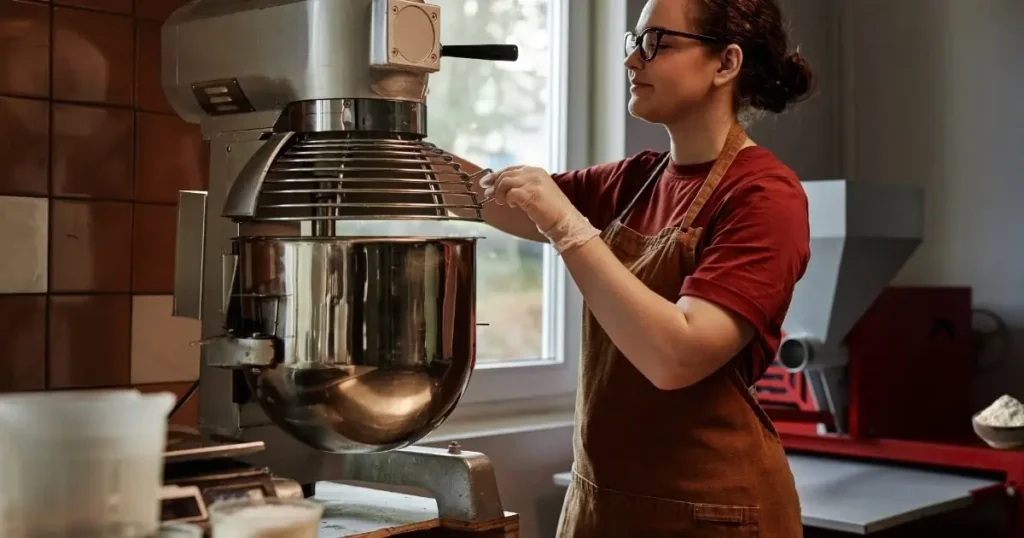
Many ghost kitchens operate multiple virtual brands from the same kitchen, for example, a salad concept, a wings brand, and a late-night comfort menu.
By planning with wholesale produce in mind, you can use the same tomatoes, onions, greens, and potatoes across all these food concepts.
That cross-utilization reduces food waste, streamlines prep, and keeps inventory tight, which is essential in small storage space or shared commercial kitchens.
Reducing Food Waste in Tight Kitchen Spaces
Dark kitchens and commissary kitchens rarely have extra room for slow-moving SKUs.
Your Wholesale Food Distributors can help you choose pack sizes, split cases where it makes sense, and prioritize high-turn items that feed multiple menus.
Using trim for soups, sauces, salsas, and specials keeps waste low and margins healthier in a delivery-heavy restaurant industry.
Commercial Kitchens as Launchpads for Ghost Concepts
Toast’s NYC report shows how commercial kitchens now act as hubs for food trucks, catering, meal-prep businesses, and virtual restaurant brands, all sharing equipment and space.
Instead of signing a full lease for a flagship brick and mortar location, many operators start in a shared facility, prove their concept on delivery apps, then decide whether to expand.
This is a practical path for New York and New Jersey restaurants, hotel kitchens, school kitchens, and catering companies that want to test new menus at low cost.
What the National Data Means for Local Operators
The Guardian article makes it clear: delivery and online orders aren’t a pandemic phase; they’re the new baseline.
Fast-casual and delivery-first models, including ghost kitchens, are growing, while some legacy full-service chains have shrunk or filed for bankruptcy.
For NYC and NJ operators, that means investing in the parts of the model that still differentiate you: ingredients, consistency, and hospitality, even if that hospitality is expressed through packaging, notes, and reliability.
Turning a Brick-and-Mortar into Its Own Ghost Kitchen
If you already run an established restaurant, you can often add a virtual brand without building a new kitchen.
Use your existing restaurant kitchens to run a separate delivery only restaurant concept during slower dayparts, using the same staff and much of the same prep.With the right wholesale produce plan, you can choose SKUs that work across dine-in, takeout, catering, and your ghost kitchen brand, avoiding bloated inventory.
Choosing the Right Wholesale Produce Partner
For ghost kitchens, your wholesale produce partner is closer to an operations partner than a simple vendor.
Look for distributors who understand early-morning NYC/NJ routes, limited loading zones, and the needs of commercial kitchens and commissary kitchens.
They should help you balance local foods and cost-effective staples, suggest seasonal swaps, and support menu engineering to keep your ghost kitchen profitable.
“If you’re building a ghost kitchen in New York or New Jersey, talk with your produce distributor about a seasonal program that keeps your delivery menu consistent and cost-effective.”
Ready to Grow Your Ghost Kitchen With Wholesale Produce?
The ghost kitchen concept isn’t just a tech trend, it’s a practical way for New York and New Jersey operators to lower overhead costs, test new customers and concepts, and keep kitchens busy even when dine-in slows.
When you pair a smart ghost kitchen strategy with a strong wholesale produce program, you protect your margins, reduce food waste, and deliver restaurant-quality food that actually travels well.
If you’re planning, expanding, or optimizing a ghost kitchen in NYC or NJ, now is the time to connect with a wholesale produce distributor who understands delivery-first operations and local seasonal supply, and turn your kitchen space into a high-performing virtual brand engine.