
Beets for NY & NJ Menus: A Practical Guide for Busy Kitchens
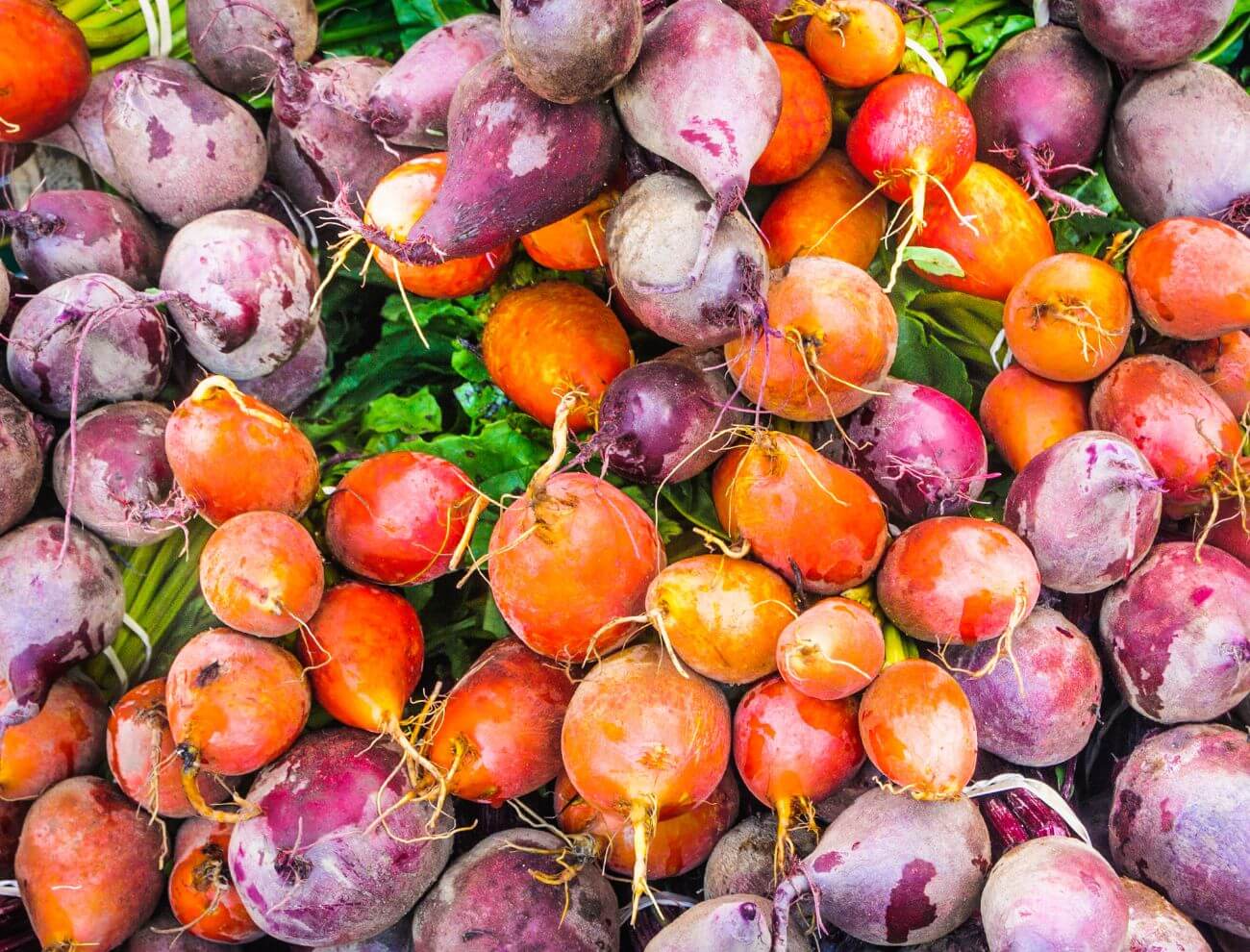
Beets are one of the most valuable vegetables you can put on a New York or New Jersey menu. They bring bold color, natural sweetness, and strong plate appeal to salads, bowls, and entrées that need to impress guests and still protect your margins.
For chefs, food admins, and operators who depend on wholesale produce, Beets also play nicely with tight labor and limited storage. They travel better than many delicate items, fit easily into batch prep, and help you support a healthy diet focus without sacrificing flavor, comfort, or presentation.
Why Beets Belong on Professional Menus
Beets stand out among root vegetables because they’re sturdy, versatile, and forgiving. They handle transport, trimming, and holding without falling apart, which is critical when your walk-in is shared by multiple teams, dayparts, and even multiple NY or NJ locations.
Their mild, earthy flavor becomes sweeter as you cook them, especially when you roast or gently simmer them rather than over-boil. When your menu language emphasizes “sweet,” “tender,” and “slow roast,” Beets feel like a chef’s choice instead of a scary vegetable from someone’s childhood.
On the plate, Beets bring dramatic color and texture to salads and composed plates. A few wedges or cubes can turn simple greens and grains into something restaurant-worthy, especially when you add feta or goat cheese for creamy contrast and a higher-perceived value at a manageable food cost.
Health Benefits of Beets Your Guests Care About
Many diners in NY and NJ now ask how menu choices support their long-term health benefits, especially in schools, hospitals, corporate cafés, and wellness-focused concepts. Beets give you an ingredient with real nutritional value that still feels like food, not a supplement.
Beets naturally contain nitrates that the body converts into nitric oxide, a compound that helps relax and dilates blood vessels to support circulation and oxygen use. When you explain that in plain language, guests understand why athletes and wellness-minded people are paying more attention to Beets.
Better circulation can help support healthy blood pressure when Beets are part of an overall balanced pattern of eating beets, vegetables, lean proteins, and whole grains. You’re not promising magic, but you can honestly position Beet dishes as smarter choices than heavy, fried foods loaded with salt and saturated fat.
Patterns that include regular beetroot consumption are associated with lower risk of chronic diseases like heart disease over time. That message fits perfectly in institutional settings where your menu needs to support broader goals around population health, prevention, and long-term outcomes.
From a nutrient profile, Beets contribute vitamin C, folate, and other key vitamins and minerals, along with fiber that adds bulk and supports digestion. A typical serving of roughly one cup of cooked Beets helps move the needle on daily value benchmarks, giving you a credible way to highlight Beets as a nutrient-dense part of your foods and menu mix.
Because of all this, people who focus on training and performance are also drawn to Beets. They’ve heard that Beets may enhance athletic performance and support producing energy more efficiently, so they’re open to functional drinks and dishes that feature Beetroot.
Flavor, Texture, and Taste: How to Present Beets
If guests only know Beets from canned or overcooked versions, you’ll need to re-introduce the taste in a better light. Lean on descriptors like “sweet,” “slow-roasted,” and “caramelized” rather than just “earthy,” so Beets sound like something crafted, not punishment.
In cold applications, Beets are excellent in salads with crisp greens, citrus segments, and toasted seeds or nuts. A light vinaigrette keeps the dish fresh and bright, and guests quickly see that eating beets doesn’t have to be heavy or old-school—especially when the colors and textures pop on the plate.
Beets also work extremely well in shareable plates and bar snacks. A small plate with Beets, goat cheese, herbs, and toasted bread feels delicious and upscale, while Beet spreads or hummus-style dips give you plant-forward dishes that are easy to batch, hold, and plate during a rush.
If you serve brunch or all-day menus, consider adding Beets to vegetable hash and grain bowls. Guests who already eat vegetables at breakfast or lunch will appreciate another colorful, nutrient-dense option that aligns with their healthy diet goals.
Prep Methods: From Raw Beets to Roasted Classics
For most operations, roasted beets are the easiest entry point because you can cook once and use them for days. A basic method is simple: toss Beets with olive oil, salt, and pepper, then roast until tender and lightly caramelized, cool them down, and hold in deli pans for fast plating and finishing.
Boiling Beets is another option when you need volume and flexibility across units. Boiled beetroot can be peeled, diced, or sliced, then seasoned and used in both hot cooked dishes and cold composed salads without extra cooking steps, which keeps labor predictable in high-volume service.
Pickled beets give you a long-lasting, high-impact pantry item. A quick pickle with vinegar and aromatics turns extra Beets into a colorful, acidic garnish for sandwiches, grain bowls, charcuterie boards, and grab-and-go pickled sides, especially when finished with a touch of balsamic vinegar.
Raw beets can also play a role when you slice or shave them very thin. They add crunch and color to bowls and raw salads, especially when balanced with creamy dressings and a bit of fat from cheese, nuts, or olive oil, giving you another way to help guests enjoy beets in different textures.
Here’s a simple workflow many NY and NJ kitchens use for Beets:
- Roast or boiling Beets in bulk at the start of the week.
- Cool, peel, and cut into standard shapes for consistent portions.
- Store in labeled pans with light seasoning and a dated sticker.
- Finish with dressings, herbs, and garnishes to order so Beets stay fresh and vibrant.
Menu Ideas for Restaurants, Juice Bars, and Institutions
In full-service restaurants, Beets can anchor a signature recipe, a composed salad, a warm starter, or a modern side dish alongside seasonal proteins. They work especially well in specials that change with other Seasonal Produce, keeping the menu aligned with what guests see in markets and on social media.
If you run a juice bar or café, beet juice and beetroot juice are natural fits on the beverage board. You can blend them with apple, carrot, or ginger and promote those drinks as colorful, functional options for guests who want more beets in liquid form as part of their daily routine.
Bars and lounges can feature Beets in shareable plates that pair well with cocktails and wine, think roasted Beets with herbs, crostini topped with Beets and goat cheese, or Beet dips on grazing boards. For school and hospital kitchens, modest portions folded into mixed vegetables, grain salads, or plated meals help guests enjoy Beets alongside familiar staples.
Caterers and banquet operations can rely on Beets for color and consistency in large-scale dishes that need to hold on buffets and plated lines. Roasted Beets keep their shape and taste even after some time on a line, making them a smart choice when you need cooked vegetables that still look lively.
As you review your current menu, flag two or three spots where Beets could replace a higher-cost item without hurting perceived value. Test those changes for one cycle and monitor guest feedback, plate waste, and contribution margin.
Seasonal Produce and New York Storytelling With Beets
When you highlight Beets as part of your Seasonal Produce program, you give guests a reason to order them now instead of “someday.” Seasonal framing creates urgency and lets you re-introduce Beets with new flavor combinations several times each year.
You can also position Beets within a broader New York Seasonal Produce story that celebrates regional growers and harvest windows. Calling out local produce on menus, chalkboards, and digital channels helps guests feel a stronger connection to your operation and makes even simple Beet foods feel more special.
Working this way supports a more resilient wholesale produce supply and purchasing plan. When you know Beets will be available and stable, you can build Beet-driven recipes and specials that won’t collapse when the market tightens or other crops become scarce.
Meet with your culinary and purchasing teams to map where Beets can play a bigger role in your seasonal planning. A short internal session can surface Beet ideas you can roll out over the next quarter without rewriting your entire menu.
Partnering With Wholesale Produce Suppliers for Beets
To keep Beets consistent across locations, you need Wholesale Food Distributors who understand NY and NJ delivery realities. Tight docks, early drops, and limited storage all affect how you order, receive, and store Beets in busy urban operations.
A strong partner in wholesale produce can help you choose the right pack sizes and formats, from whole Beets to topped, peeled, and ready-to-roast product. Matching pack to volume and labor protects quality while keeping your team focused on execution instead of last-minute prep emergencies.
For multi-unit groups, caterers, and institutions, reliable wholesale produce supply is essential for brand consistency and guest trust. You want Beets that look and taste the same in every unit, so diners know what to expect no matter where they encounter your concept across NY and NJ.
Valley View Produce specializes in helping regional operators source Beets and other key vegetables with confidence. We understand the pressures of busy kitchens and build programs that work for real operations, not just spreadsheets and wish lists.
When you’re ready to make Beets a reliable, profitable part of your menu strategy, contact Valley View Produce to plan your seasonal sourcing, product mix, and wholesale pricing across all of your locations.